January has a way of forcing certain conversations.
Winter. Mental health. Politics. Power.
If you are disabled, chronically ill, or living with a terminal condition, none of these exist in isolation.
These are the realities January drags to the surface, whether we like it or not.
Donald Trump, Nigel Farage, and other dangerous so-called “leaders” have caused enormous harm. Their decisions do not stay abstract or distant. They filter directly into welfare systems, healthcare access, disability support, women’s rights, and whose lives are considered expendable.
That impact is personal. So here’s how I’ve been navigating it.
Winter blues and how to tackle them
If you’re like me and vulnerable with your chest or have respiratory issues, Asthma + Lung UK have already written a helpful post on protecting yourself physically during winter. That advice is invaluable.
Even so, I’ve been struggling. Cold air, especially in Aberdeen, Scotland, is harsh. Add continuous central heating and the contrast becomes a perfect storm. It’s either breathlessness, wheeziness, or both.
On top of the usual guidance, these have helped me:
Invest in a humidifier
Central heating dries the air. Supplemental oxygen dries it further. A humidifier adds moisture back in, which has made a noticeable difference for my nose and breathing. I also use a humidity sensor to keep levels balanced.
Electric blankets and hot water bottles
These sound basic, but they’re often missed or underplayed. Many patients, especially those with neuropathy, struggle with cold or numbness. Consistent warmth can genuinely improve comfort and sleep.
Hot foot baths
If you or your carer can help with a hot foot bath before bed, it can improve warmth and circulation. Being half Chinese, this is something I grew up seeing as normal. It works. Its benefits do wonders.
Mental health in winter when you’re disabled, chronically ill, or terminally ill
Unlike able-bodied people, we can’t just go for a walk, pop to the gym, or meet a friend for coffee when our mood dips.
There are moments where it feels like: I want to go out right fcking now but I can’t because I’m physically chained by my god-forsaken condition.
I get it.
In those moments, sometimes the answer is simple and unpolished: shout, scream, cry, put music on, meditate, do whatever helps you actually feel it, process it, and move through it.
It sounds cliched, but creative endeavours can help when meditation isn’t accessible. Self-care doesn’t have to be aesthetic. It can be anything that brings even a sliver of relief: comedy, a book, a favourite cuppa, a puzzle, a face mask, gentle stretching.
The goal is nervous system regulation.
Because piling mental anguish on top of physical pain only deepens exhaustion. Distraction, when chosen consciously, can be medicine.
So what do we do long-term?
Try anyway.
Ask a friend. They can’t read your mind. I told a close friend how I was feeling, and we planned to see a show together later in the year. Even if it’s not right now, having something ahead restores a sense of agency.
Seek community where you can. On Mondays, I attend pulmonary rehab. On Thursdays, I go to Roxburghe for art classes. That’s two anchors in my week, and they are critical for both physical and mental health.
Don’t be afraid to ask for help.
A woman I met at Roxburghe, who has cancer, asked me to help her with an application form. She’s dealing with neuropathy, chemotherapy, brain fog, and exhaustion.
Do you know what the form was for?
Courage on the Catwalk, run by Friends of Anchor.
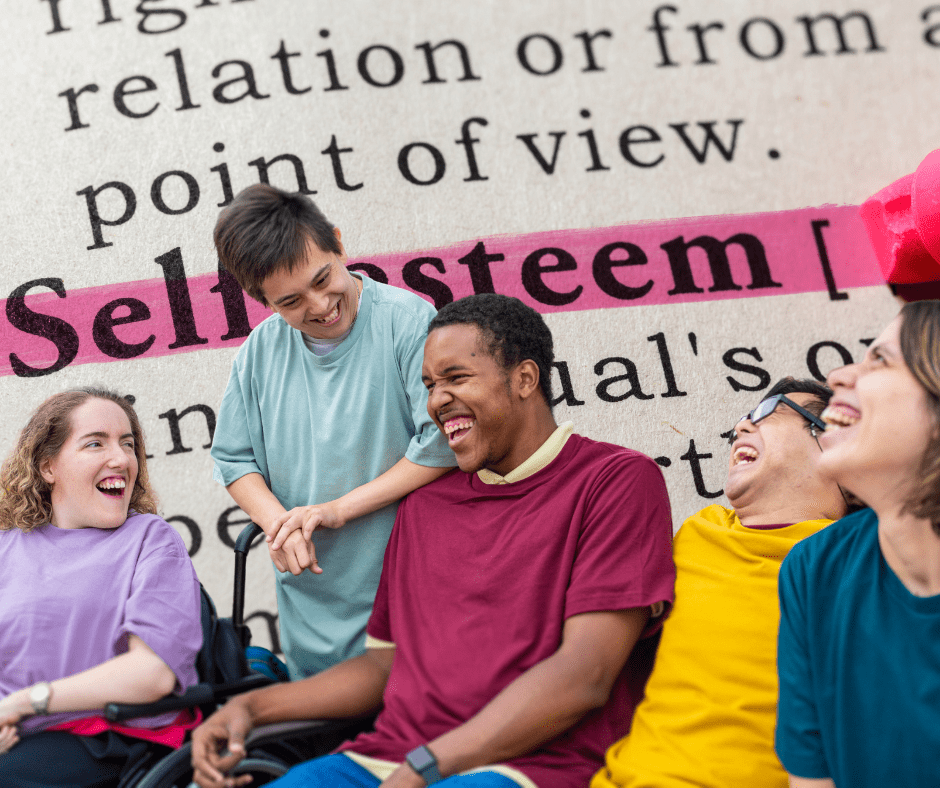
That’s the part people forget about disabled and ill communities. We show up for each other. We create beauty and courage in the middle of brutal circumstances.
Get active online (if you can) to save the world
I don’t say this lightly.
With criminals, misogynists, racists, rapists, and paedophiles holding power across the world, staying silent is not neutral. It has consequences.
That said, if your only focus right now is survival, recovery, or managing symptoms, that is valid. Chronic and terminal illness demand everything you have.
But if you are searching for purpose and agency, this is one place it can live.
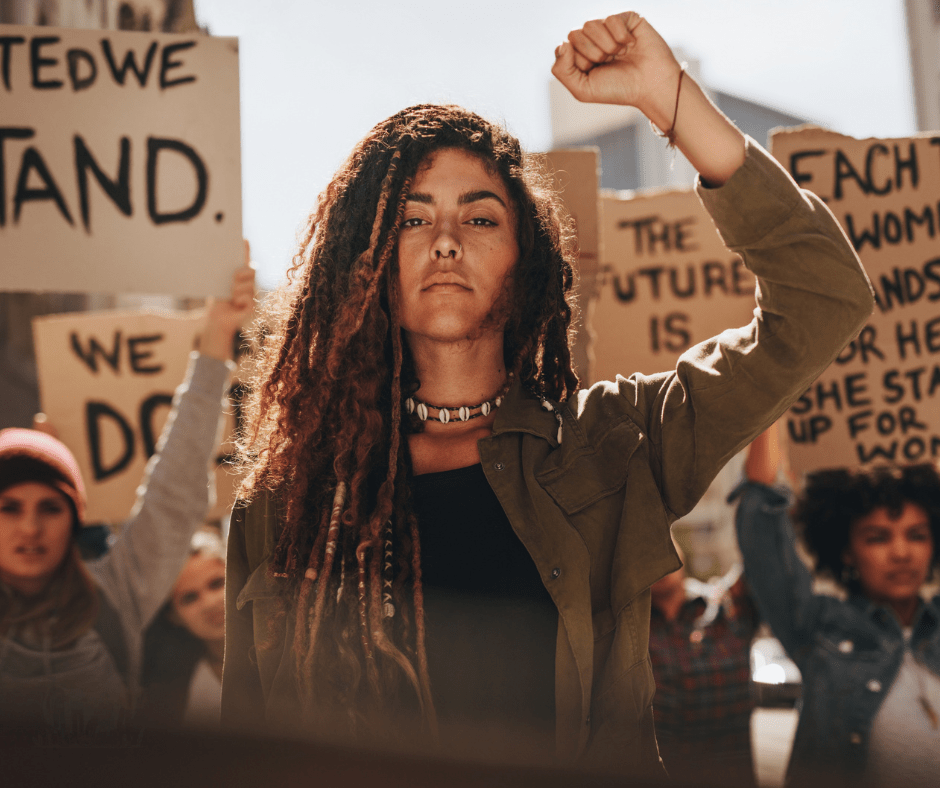
If you can’t march the streets, because I certainly can’t, digital activism is an access tool. I shared this on Instagram and recently wrote to my local MP.
You can use the same open letter template to contact your own MP if you live in the UK.
Why we need to take action now
Silence is being mistaken for consent.
When poverty, disability rights, homelessness, women’s rights, and equality disappear from political priorities, it signals that some lives are being deprioritised.
Disabled and chronically ill people are always first to feel the impact.
Welfare cuts and tightened eligibility don’t “trim budgets”. They remove independence, stability, and dignity.
Rights once lost are hard to regain.
Equality protections and disability support exist because people fought for them. Rolling them back normalises harm.
Women’s rights are inseparable from disability justice.
Disabled women face higher poverty rates, increased risk of abuse, and greater barriers to healthcare. Attacks on equality hit us from multiple directions.
Authoritarian policies grow when unchecked.
Punitive welfare systems, aggressive immigration enforcement, and erosion of oversight thrive when people are too tired, sick, or overwhelmed to push back.
We matter, even when our bodies are exhausted.
Illness does not strip us of citizenship, voice, or moral authority.
How we can take action when disabled, chronically ill, or terminally ill
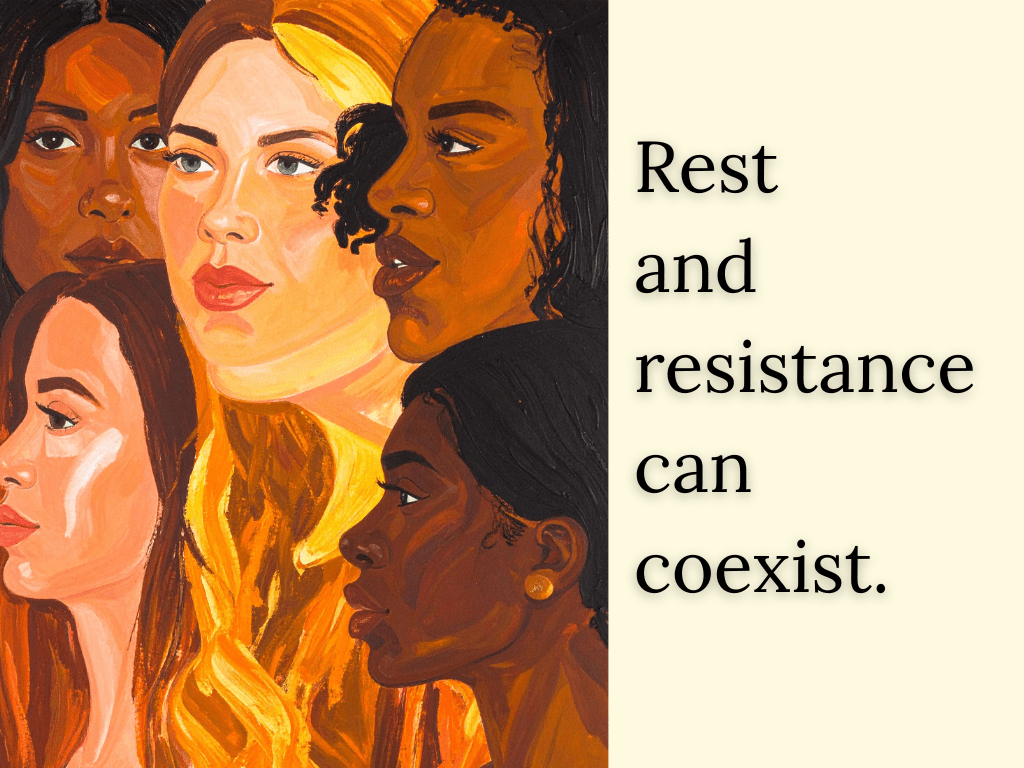
Action does not have to look like protest. It can look like presence.
- Write when you can. Rest when you can’t.
A copied letter, a short email, or a few sentences still count. Consistency matters more than volume. - Use digital activism as an access tool.
Posts, blogs, comments, sharing resources, or amplifying others are all valid. - Copy and paste without shame.
Templates exist to lower barriers. Using them is smart, not lazy. - Speak from lived experience.
You don’t need credentials. Your reality is evidence. - Work within your energy envelope.
One action a week. One post a month. Sustainable activism is the goal. - Let others carry it forward when you need to stop.
Activism is collective. Your voice can ripple even while you rest. - Refuse the lie that being unwell means being irrelevant.
Disabled, chronically ill, and terminally ill people have always driven social change. Often from beds, sofas, and hospital rooms.
If you can’t do anything right now, that’s okay.
This is about agency, not pressure. One small action, taken when you’re able, can still travel far and wide.

 Lungevity