
Ah, grieving. It’s laced with so much: love, loss, longing, and what might have been.
Losing someone, or something, is heartbreaking. It can feel like a slow, painful death. And there’s not much you can do about it. You just have to ride that grief wave.
We get lots of advice on how to move on from the past but far less on how to grieve the future, the life you imagined but never got to live.
When your dreams never come to fruition, or they look completely different from the life you’d hoped for, others can find it hard to understand the depth of that devastation.
In my case, there was so much about 2024 that left me paralysed. A little bit literally, but mostly metaphysically.
Sharing my story at an NHS Palliative Care Conference (2025)
As a chronically ill person, witnessing the progression of my condition meant confronting what that might mean for my future. That includes its implications on my career, relationships, family life, ability to have children, social life, health, physicality, energy levels, financial matters, mental health, opportunities, and so much more.
Today, I’m without children. Childless by circumstance.
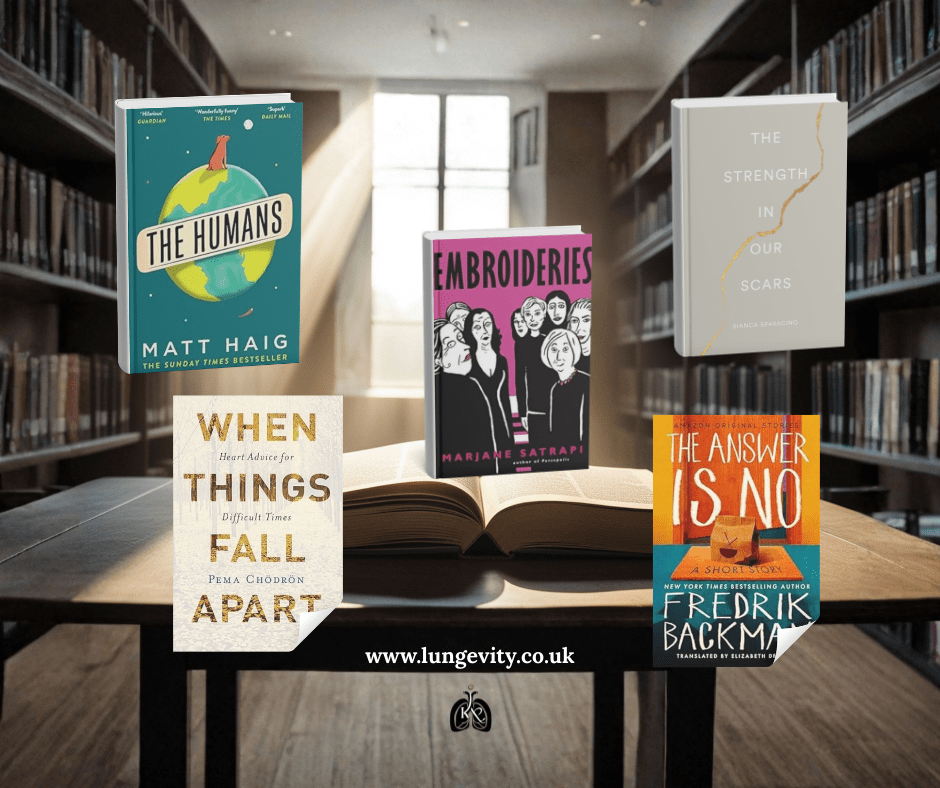
Right now, I’m reading Living the Life Unexpected: How to Find Hope, Meaning and a Fulfilling Picture Without Children by Jody Day, alongside Women Without Kids by Ruby Warrington.
It’s not that I was particularly yearning for children early on. I was very much on board with the noughties wave of feminism, where women were finally enjoying the fruits of greater independence, putting careers first, postponing motherhood from our twenties to our thirties, or choosing not to have children at all. It felt liberating.
But deep down, I knew I wanted a child. A beautiful, soulful relationship and my little child. What no one really prepares you for, either, is the fragility of relationships themselves.
Now, as we’re all in our thirties and forties, most of my friends have become mothers. With strangers and mutual friends announcing pregnancies and marriages on Instagram, it can feel deeply isolating.
The mudita — a Sanskrit word for taking joy and pleasure in another’s happiness — was definitely there. But I also felt sad for myself, and yes, perhaps a little jealous or envious. The books remind us that this is completely normal. And childlessness, in many forms, is far more common than we often realise.
Perhaps because of cultural conditioning and the patriarchy, women can slip into panic mode when they don’t hit certain “life goals” by a particular age. Much of it is meaningless — but that doesn’t take away the pressure we place on ourselves.
Jody Day writes:
“Becoming aware of the possibility that we may not have children, that we may not have the family of our dreams, is a heartbreaking loss. Unlike many other losses we may have experienced, the end of fertility or the possibility of bearing a biological child is an irrevocable and definite loss. It’s a kind of psychological death, and it’s profound. Facing up to it changes us forever.”
What described it so painfully well were the moments we never got the chance to build:
“We’ll never get a chance to watch them grow up, never hold their little hot hands in our own, never throw children’s birthday parties, never take that ‘first day at school’ photo, never teach them to ride a bike, never see them graduate, never have grandchildren, never have phone calls or FaceTime calls with them. We’ll never be able to hope that someone will be there to support us with the practical and emotional challenges of growing old.”
It is a breathtaking amount of pain, and yet it is an invisible loss.
Thankfully, the grief isn’t permanent. It’s not something anyone ever truly “gets over”, but it can soften over time with the right tools and support in place.
In my reading and grief work, I’ve learnt that grief itself needs tending to, not fixing and not rushing.
Much of this may feel familiar. It can include therapy with a skilled grief counsellor, immersing yourself in a supportive community that truly understands, creative expression, laughter, connection, and purpose.
Day reminds us that without a place to have this kind of supportive dialogue, grief can “stay wedged in our hearts like a splinter.” She also reminds us that grief isn’t only about sadness and tears. There can be laughter and healing tears too.
In fact, the Mayans viewed crying as the highest form of prayer and grief itself as a sacred act.
For any of you experiencing similar feelings, or asking yourself, What’s the Point?
Know this: there is still so much point and purpose.
One of my favourite suggestions from Jody Day is the idea of ritualising what has been lost. As she explains:
“One of the hardest aspects of childlessness is that there are no rituals or ceremonies to mark the absence of the children we never conceived, never met, or only briefly knew. With this service, I realise how powerful and necessary they are. And I find it deeply creative and gratifying.”
For me, this isn’t about positive thinking. It’s about reframing how I can still serve and help others, even with limited physical capacity.
Some of the ways I create meaning, joy, and service include:
- Adding routine and gentle rituals to my day, because discipline equals freedom — such as physical exercise three to four mornings a week for my present and future self, and to be strong enough for my lung transplant
- Asking myself how I can be of service each day, whether that’s paying someone a compliment, helping digitally, donating, or checking in on a friend
- Engaging in digital activism, social purpose, and human connection through storytelling, campaigns, and causes I care about
- Sharing my lived experience at an NHS palliative care conference, to offer hope and perspective to others
- Engaging in arts and crafts, and playing the ukulele because having fun is healing too
None of this replaces what was lost. And it doesn’t need to. But meaning can still be made. Love can still be expressed. Purpose can still be lived.
I also have a renewed relationship with life itself and the rest of my story, which is yet to be written. I am at peace and I don’t want to live the rest of it in misery by ruminating over that which I cannot control.
Instead of looking at and reaffirming evidence of what I don’t have, I look for all the things I do have and the love that is available in all other forms.
I hope this doesn’t undermine the devastation of what it means to be without a family you wanted to build.
Truly, I know how that feels, but I also know in my heart that purpose and love also come in many other forms, which perhaps, is the point of life.
Learning the ukulele. Music is healing and purposeful. Definitely great for grief work! Whether it’s learning or playing – think somatic work, rock music, and healing frequency music!
No one is defined by marriage, the ability to have kids, your race, ethnicity, colour of your skin, physical or mental abilities.
It is simply to be human.
Grieving the life you hoped to live doesn’t mean you’ve failed. It means you loved deeply enough to imagine it.
 Lungevity