
Pulmonary rehabilitation (often shortened to pulmonary rehab or PR) is a specialist programme designed for people with chronic lung conditions, such as COPD, lung fibrosis, or post-lung transplant patients. It combines tailored exercise, education, and support to help you live as fully as possible despite your breathing challenges.
It’s not just about building fitness. It’s about helping your lungs, heart, muscles, and mind work together more efficiently so you can do more of the things you love without feeling so breathless.
Think of it as a bridge, one that connects where you are now with where you want to be.
“Fall in love with taking care of your body”
Why Pulmonary Rehab is Essential for Lung Health
If you’ve been living with a lung condition, you may feel like your world has shrunk. Simple things such as walking up the stairs, carrying shopping bags and even chatting for too long can leave you exhausted.
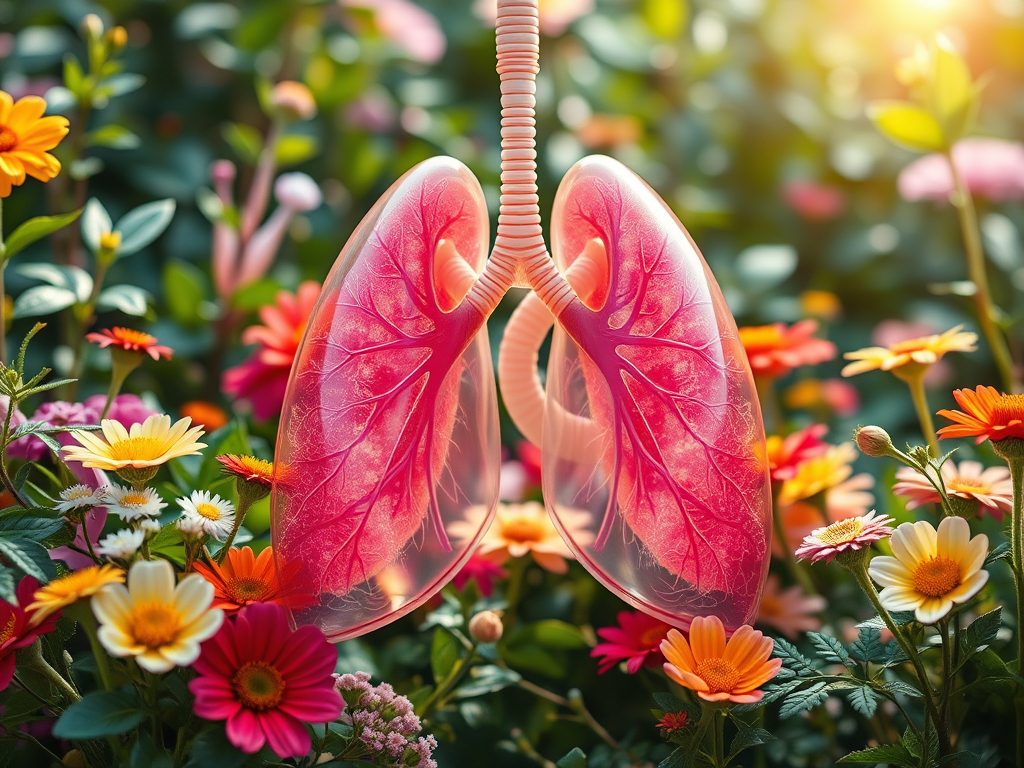
Visualise your lungs as healthy as this!
Pulmonary rehab gives you a way forward. It offers tools and strategies that help you:
- Learn how to pace yourself
- Improve your stamina safely
- Manage breathlessness more confidently
- Feel more in control of your own body
It’s not about “pushing through” it’s about working with your body instead of against it.
Surprisingly, I hadn’t pursued pulmonary rehab until last year, as I made the assumption once again that it was just for the elderly and was content with my own regular practices of going to the gym or yoga. I say surprised, as my research-driven nature didnt’ take me down this path for some reason.
But indeed, it is more personalised for those with lung conditions and has can be supported with specific rehabilitation PT staff or nurses.
Key Benefits
The magic of pulmonary rehab lies in its ripple effects:
- Better breathing: Your muscles learn to work more efficiently, which means less oxygen demand and less breathlessness.
- Improved strength: Stronger muscles support your breathing and daily activities.
- Increased energy: You may find you can do more with less fatigue.
- More confidence: Knowing how to manage breathlessness reduces fear and anxiety.
- Better mood: Exercise releases feel-good hormones, and the social side of rehab can lift your spirits.
These benefits build on each other. The more you practice, the more freedom you get back.
Depending on who you do pulmonary rehabilitation with, you’ll get a wealth of information from the staff themselves, lots of handy information leaflets and a personalised plan of action.
Inside My Personalised Pulmonary Rehab Exercise Plan
When I started my own pulmonary rehab programme, I expected endless treadmill time and weights that felt too heavy. Instead, my plan was completely tailored to me.
It began with a gentle assessment — checking my current fitness level, oxygen needs, and any other health issues. From there, my healthcare team created a mix of exercises, including:
- Light weights for my arms and legs
- Step-ups and seated-to-standing exercises
- Gentle cycling
- Breathing control techniques woven throughout
Each session built gradually, and the focus was on quality, not quantity. It was about finding my pace, the sweet spot between challenge and comfort.
Here is a link to my templated exercises should you be curious. Each week, the staff would fill in the first column on how many reps I should (could) do and the weight e.g 0.5 or 2kgs (gradually increased each week or varied depending on how I am that day). Then I would score the “rate” from 1-5 on the level of breathlessness (5 being the most severe).
Why it’s Different from Any Other Normal PT Plan or the Gym
The gym often works on the “no pain, no gain” mentality. Pulmonary rehab is the opposite. It’s about safe progression. Every move is monitored by healthcare professionals who understand your condition.
Unlike a personal trainer who might not fully grasp how oxygen saturation, breathlessness scores, or lung disease work, your rehab team knows exactly when to push and when to pause (pacing).
They also factor in oxygen use, medication timings, and rest breaks, making it far more specialised than any standard fitness programme.
An excellent resource can also be found at Asthma + Lung UK
How to Get Referred
In the UK, you usually need a referral from your GP, respiratory nurse, or hospital consultant. If you think you’d benefit, ask about pulmonary rehab at your next appointment.
Most programmes run in community health centres, gyms partnered with the NHS, or hospital outpatient facilities. The waiting times can vary, so the sooner you ask, the better. I had to wait a few short weeks on the list before being able to join, but it is worth it.
Making PR a Lifelong Habit
Most programmes last around 6–12 weeks, but the real value is in what you take forward afterwards. For myself, because I am a transplant patient in waiting, I’m on the program indefinetely until I get the transplant.
Pulmonary rehab isn’t a quick fix, it’s the beginning of a lifestyle shift.
You’ll leave with:
- A home exercise plan
- Breathing control techniques
- Confidence to keep moving safely
- Knowledge about nutrition, pacing, and flare-up prevention
The aim? To weave these skills into your everyday life so they become second nature.
I was lucky enough to get pulmonary rehab at home to begin with, as I was so poorly last year, but that was definitely one reason how I was able to recover from all the muscle deconditioning and onslaught of illness last year.
It wasn’t just my breathing… But after I contracted COVID in August 2024, the virus affected my musculoskeletal system and my left leg/foot became numb, almost paralysed!
PR helped me “fire and wire” neurons back together and rehabilitate my nerves and muscles to work again. Pleased to report that it is back to fully functioning in a normal way!
To manage your expectations, do remember that it all takes time too and you will need the patience.
Pulmonary rehab gave me more than stronger muscles, it gave me back a sense of possibility. It reminded me that even if my lungs are limited, my potential is not. And the same can happen for you!
“Start where you are. Use what you have. Do what you can.”
— Arthur Ashe



 Lungevity